



Mission
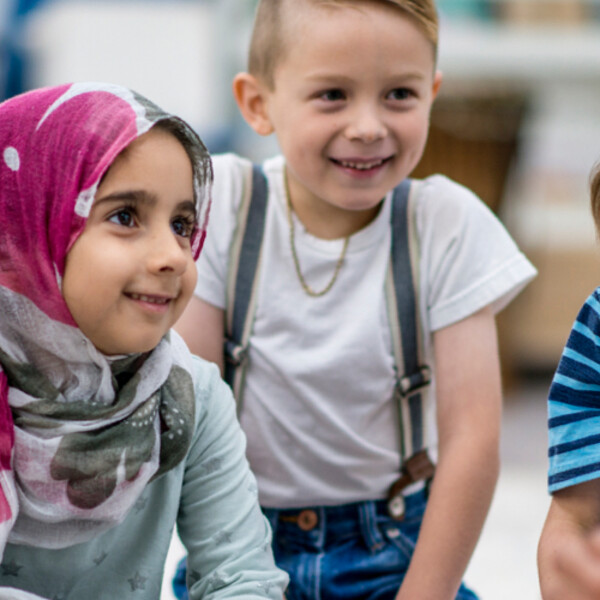
Start conversations with children of all races about racism
Vision
Raise a no racist generation
Key words
Racism, Classroom, Teacher, Upstander, Stereotypes, Teaching resources, Educators, Changemaker, Bias, Discrimination, Tolerance
About EmbraceRace
How to answer questions and discuss race with our children? How to prevent racist attitudes from forming?
One of the most effective ways to equip children to deal with racism is to help them recognize it before they are victims or commit a hurtful action.
EmbraceRace produces digital materials and shares videos of first-person stories about race.
The goal is to make sure the next generation grows up with a healthy awareness of race in a world free of stigma and stereotypes in the books they read, the video games they play, and the conversations they have.
Let’s curb racism and try to prevent racist attitudes from forming by starting young, and keeping the conversation going! It is never too early to start conversations with children about racism.
Take action
Follow EmbraceRace


Visit their website


You might be inspired by these initiatives too:
Fight bias,
stereotypes & racism

Toward a just democracy
A future where people of color are free
The Advancement Project is a multi-racial civil rights organization using innovative tools and strategies to achieve high impact policy change.
They envision a future where people of color are free – where they can thrive, be safe and exercise power.

Education
Love it,
share it!


Fight bias,
stereotypes & racism

Select anti-bias children’s books
Foster tolerance and belonging, and promote an inclusive world
Teaching for Change developed SocialJusticeBooks.org in 2017 to identify and promote the best multicultural and social-justice children’s books, as well as articles and books for educators.
Education
Love it,
share it!
Fight bias,
stereotypes & racism

Celebrate Human Rights Day
All human, all equal
Every year on 10 December, the world celebrates Human Rights Day, the very day when, in 1948, the United Nations General Assembly adopted the Universal Declaration of Human Rights.

Peace making
Love it,
share it!